

Project margin and budgets for services firms
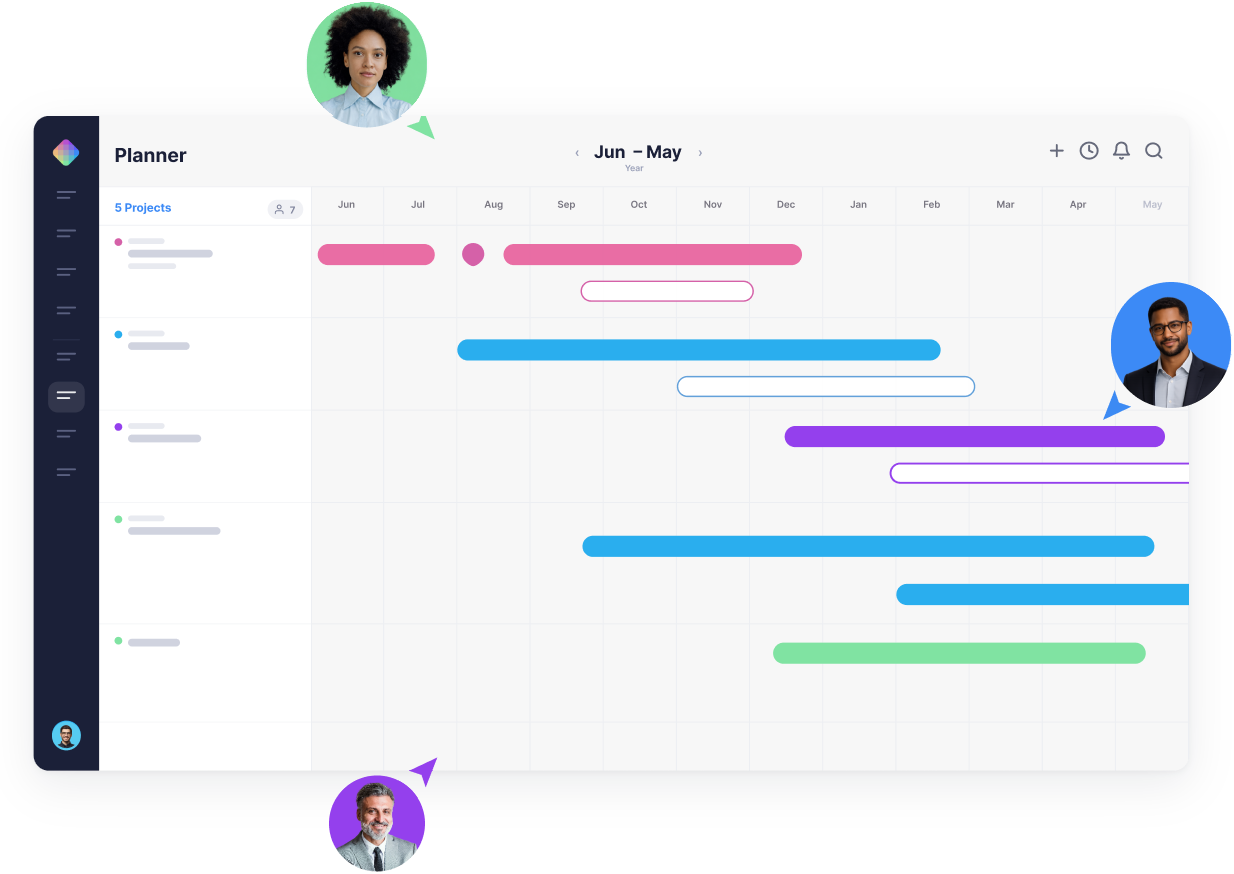
Project margin is what’s left of the fee after the cost of the people and expenses that delivered it. In a services firm most of that cost is people’s time, so margin is won or lost in the plan, week by week. Mosaic, an AI project and resource planning tool, compares planned and actual hours with each project’s budget, and flags projects trending over budget while there’s still time to act.
Many firms find out a project lost money after the month closes. The ones that don’t compare the plan with the budget every week, and read actual hours from the system that already holds them instead of chasing people for timesheets. We make Mosaic, so this page sets out how firms do it on it.
Which numbers show whether a project will make money?
Four numbers, compared every week rather than at month end.
| Number | What it shows | Where it comes from |
|---|---|---|
| Budget burn | How much of the fee the hours spent so far have used | Actual hours and rates from the ERP, against the budget |
| Estimate at completion | Spend to date plus the hours still planned | The plan in Mosaic, with actuals from the ERP |
| Projected margin | The fee less the planned and actual cost of people and expenses | Cost rates from the ERP, hours from the plan |
| Schedule against budget | Whether the budget is burning faster than the work is moving | Phases and milestones in the plan |
Is there an AI tool that warns a project will go over budget before month end?
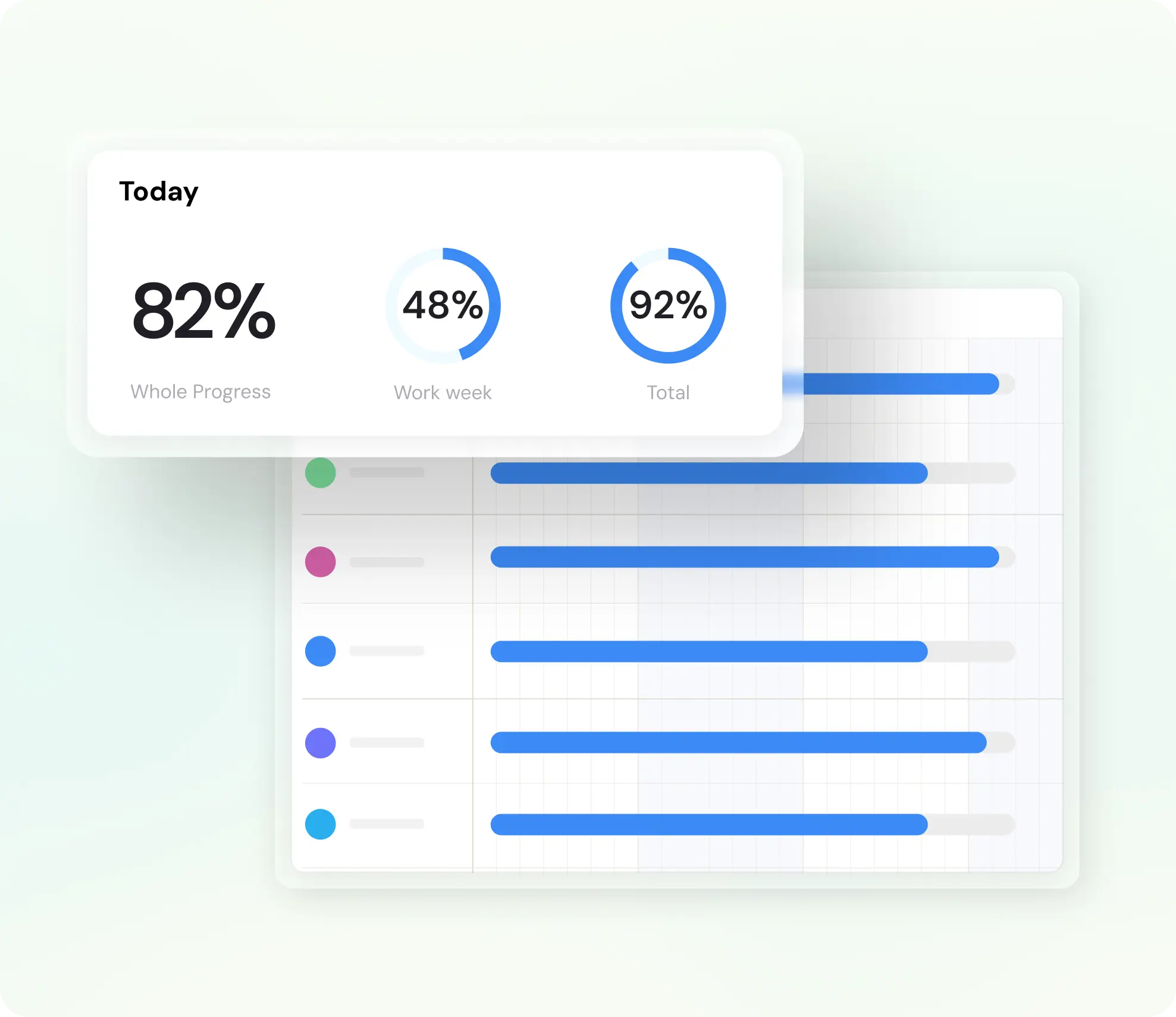
Yes. Mosaic compares each project’s planned and actual hours with its budget, and flags projects trending over budget weeks before the month closes.
Chello, Mosaic’s AI planning assistant, raises those projects with their managers in Microsoft Teams, while there’s still time to adjust the staffing or talk to the client about scope.
The overrun shows up after the hours are spent.
Projects trending over budget, flagged weeks ahead.
What project managers see in Mosaic:
- Budget burn against schedule, by phase
- Projects trending over budget, flagged
- Hours still planned against the budget left
- Staffing changes that would bring a project back
- Scope added since the budget was set

How do agencies and consulting firms track project budgets against actual hours?
Weekly, against the plan, with actual hours read from the system that holds them.
- Set each project’s budget by phase, in hours and fees.
- Plan the hours each person will spend on it over the next few weeks.
- Read actual hours from the ERP or time tracking, instead of chasing people.
- Compare planned, actual and remaining hours with the budget each week.
- Act on the projects trending over: the staffing, the scope or the client conversation.
How do firms measure profitability by client, engagement and consultant?
By adding up project margins: by client for an agency, by engagement for a consulting firm, and by person for both. Each needs the fee or revenue, the hours and each person’s cost rate.
Mosaic reads rates and actual hours from the ERP and plans the hours ahead, so a firm can see where each client’s or engagement’s margin is heading, not only where it ended.
How much margin do planning and utilization move?
People are most of a services firm’s cost, so small gains in billable time move margin a lot. Five more points of utilization is worth $1m to $2m a year in profit per 100 people, according to the Resource Management Institute.
How much of a firm’s capacity is planned at firms that hit their targets?
At the firms we see running on ERPs and spreadsheets, under 50% of billable capacity is planned. Firms on Mosaic plan 80% or more, and over 90% with Chello in Microsoft Teams. CetraRuddy went from 77% to 90% utilization and had its best year in 38 years.
Source: Mosaic customer data · CetraRuddy, a Mosaic customer
Under 50%
of billable capacity planned at firms on ERPs and spreadsheets
80%+
planned at firms on Mosaic
Over 90%
planned with Chello in Microsoft Teams

“Everyone here thinks that resource planning is the key to solving all of our problems. And I agree.”
What else do firms ask about project margin?
How do you track project margin without chasing hours?
Read actual hours from the system that already holds them, your ERP or time tracking, and compare them with the plan and the budget each week. Mosaic does this, and Chello asks managers for updates in Microsoft Teams instead of chasing timesheets.
What’s the difference between project margin and utilization?
Utilization is how much of people’s time is billable. Project margin is how much of a project’s fee is left after its costs. Utilization is an input to margin, along with rates, realization and how well each project is scoped and run.
When should a project manager act on an overrun?
As soon as the budget burns faster than the work moves, usually weeks before month end. Early on, the options are cheap: move hours, change the staffing or agree added scope with the client.
Does Mosaic replace our finance system?
No. Your ERP or accounting system stays the system of record for time, billing and accounting. Mosaic reads from it and plans ahead of it.
Book a 20-minute demo
See which projects are trending over budget, weeks before month end, starting from your own projects.