

RM ONE alternatives for A&E firms
RM ONE describes itself as an AI operational intelligence platform for AEC firms, built around a CRM that ties pursuits to people and projects. Mosaic, an AI project and resource planning tool, starts instead from the data in the firm’s CRM and ERP, and keeps one live plan for projects and people.
Both plan people against the work coming in, and both keep a person in charge of what their AI suggests. They differ in where they start: RM ONE from its own CRM and the pursuit, Mosaic from the data in the firm’s CRM and ERP, and Mosaic integrates with any ERP. We make Mosaic, so this page says which firms each one fits.
How do RM ONE and Mosaic compare?
RM ONE leads with pipeline and pursuits in its own CRM, and connects to a firm’s other systems through agreed applications, APIs, scheduled files and SFTP. Mosaic is for firms that already have a CRM and want resource planning to plug into it, whether that CRM is part of the ERP or a separate product, and it comes with an ERP integration Mosaic builds and runs. Both forecast demand from the work ahead.
| What matters | RM ONE | Mosaic |
|---|---|---|
| Describes itself as | An AI operational intelligence platform for AEC, with “the CRM built for resource alignment” | An AI project and resource planning tool for project-driven businesses |
| The ERP connection | Agreed applications, APIs, scheduled files and SFTP, with custom integrations scoped separately | An enterprise-grade integration with any ERP, built and run by Mosaic, with 99.9% reliability, reading projects, people, roles, rates, budgets and actual hours |
| Built for | Architecture, engineering, general contractors, construction managers, specialty contractors, and owners and real estate managers | Project-driven businesses, from A&E firms to consultancies, agencies and IT services companies |
| Starts from | Pursuits, in its own CRM or the firm’s current one | The data in the CRM and ERP the firm already runs |
| AI | Agents such as Workforce Analyst, Team Builder and Bench Manager, with the firm’s team approving each action | Chello in Microsoft Teams asks managers for updates and proposes who fits, and it changes nothing without approval |
| Getting started | A five-day guided start once the data is ready, then a 30-day pilot | Data imported typically within 48 hours, the ERP integration in place within days, and the firm trained and live in 30 to 60 days |
| Security | Role-based access and single sign-on. Hosting, encryption and AI model-training terms reviewed with its team during evaluation | SOC 2 Type II, single sign-on and read-only ERP credentials, and AI never trained on your data |
Is RM ONE a CRM or a resource planning tool?
Both, by its own description: pipeline intelligence, resource management, demand forecasts and profit intelligence in one platform, and firms can keep their current CRM.
Mosaic doesn’t replace the CRM. It plugs into the one the firm has, whether that’s part of the ERP or a separate product such as Salesforce. Pipeline work sits in the plan before it’s won, weighted by stage, and the project plan is where the firm runs the work.
Pursuits, people and projects in one platform, starting from the CRM.
Project and resource planning, management and forecasting, starting from the data in the firm’s CRM and ERP.
What Mosaic brings to a firm on an ERP:
- An enterprise-grade ERP integration Mosaic builds and runs, with 99.9% reliability
- Patented automatic rescheduling when a phase’s dates change
- Chello in Microsoft Teams, so every manager keeps the plan current
- Revenue by month from planned hours and bill rates
- SOC 2 Type II and read-only ERP credentials
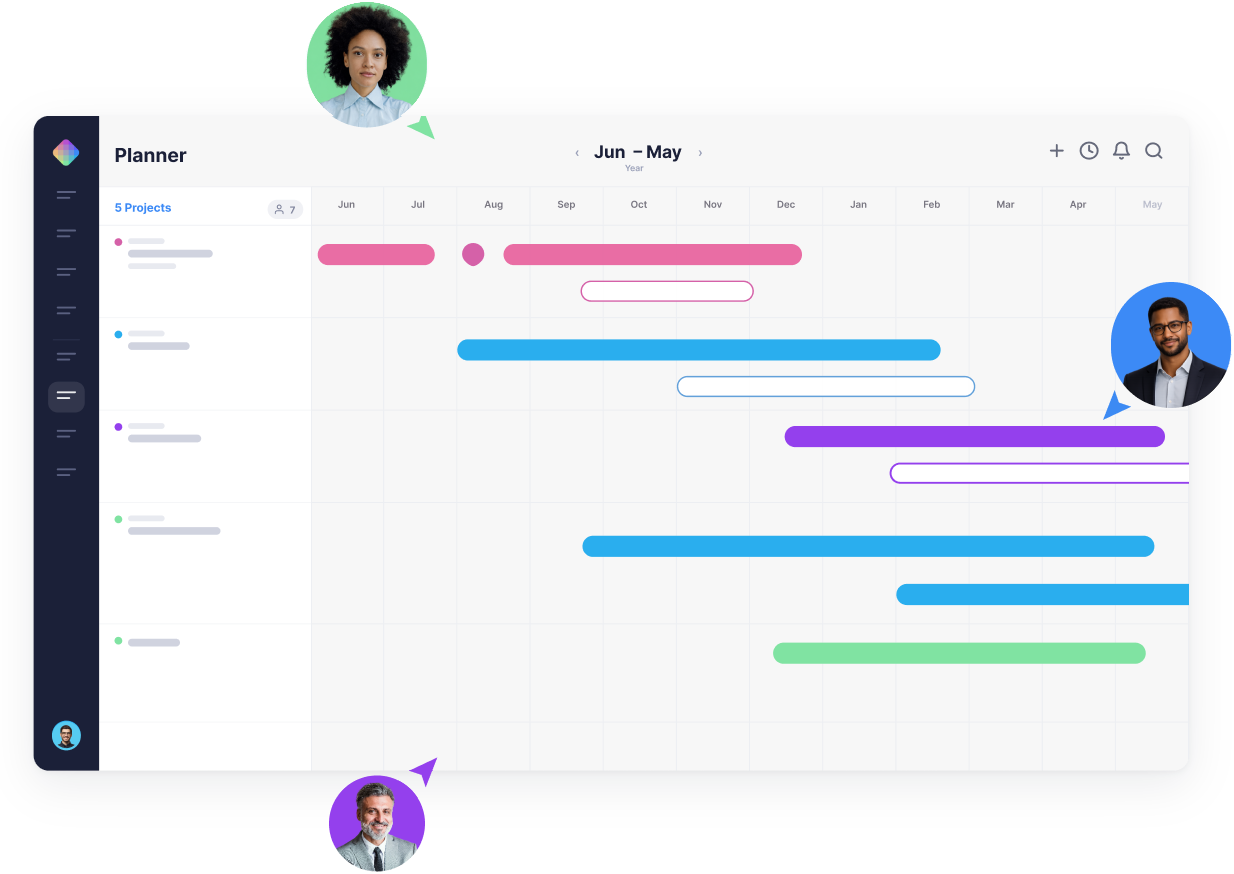
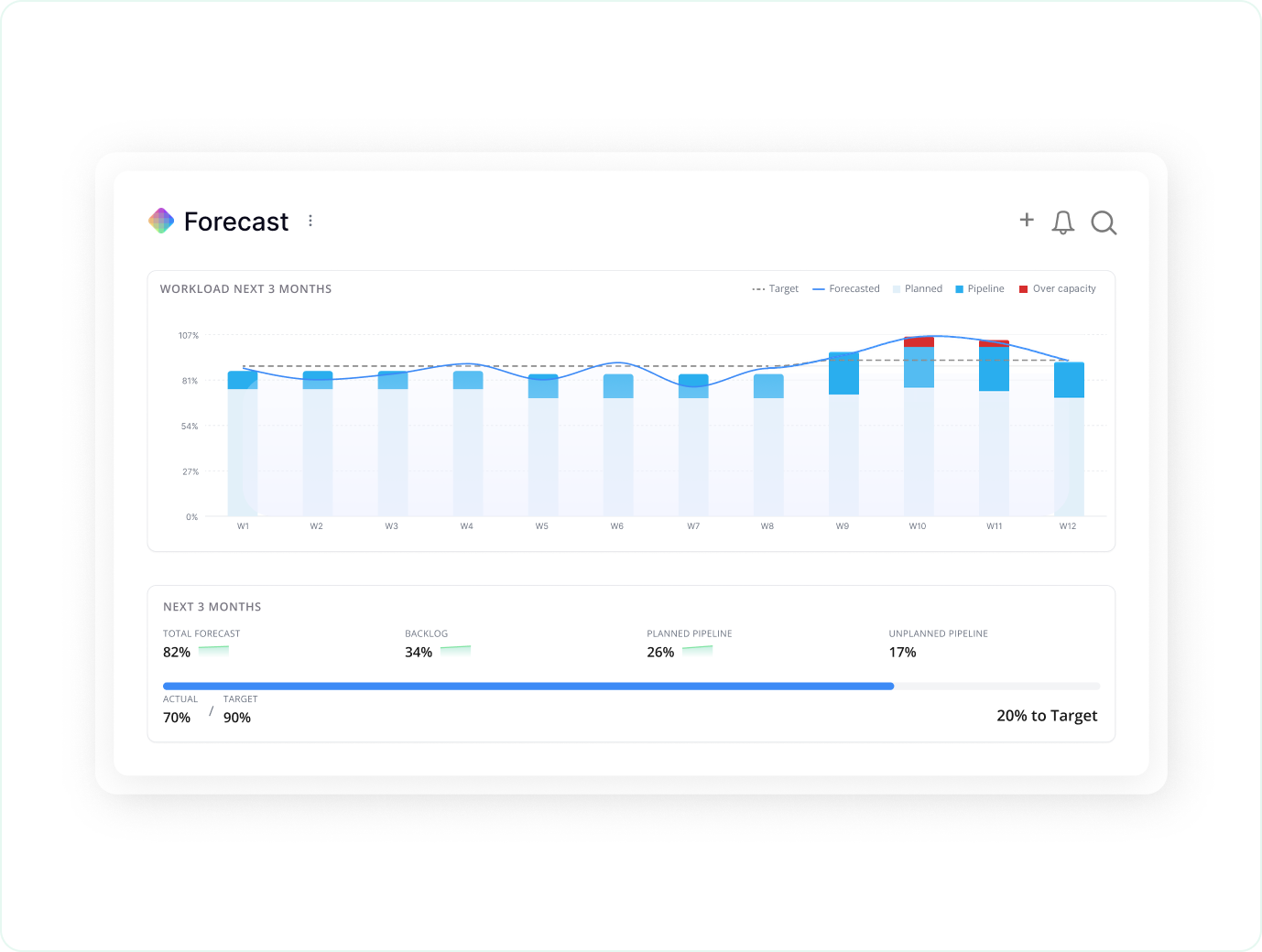
How does Mosaic forecast staffing and revenue?
From the plan: hours planned on every project, by role and bill rate, give revenue by month, and demand by role against capacity shows when to hire. Pipeline work can sit in the plan before it’s won, weighted by stage, so next quarter shows early.
Within four months on Mosaic, a firm’s next-quarter forecast can be accurate to within about 3% to 4%.
How does the plan stay current week to week?
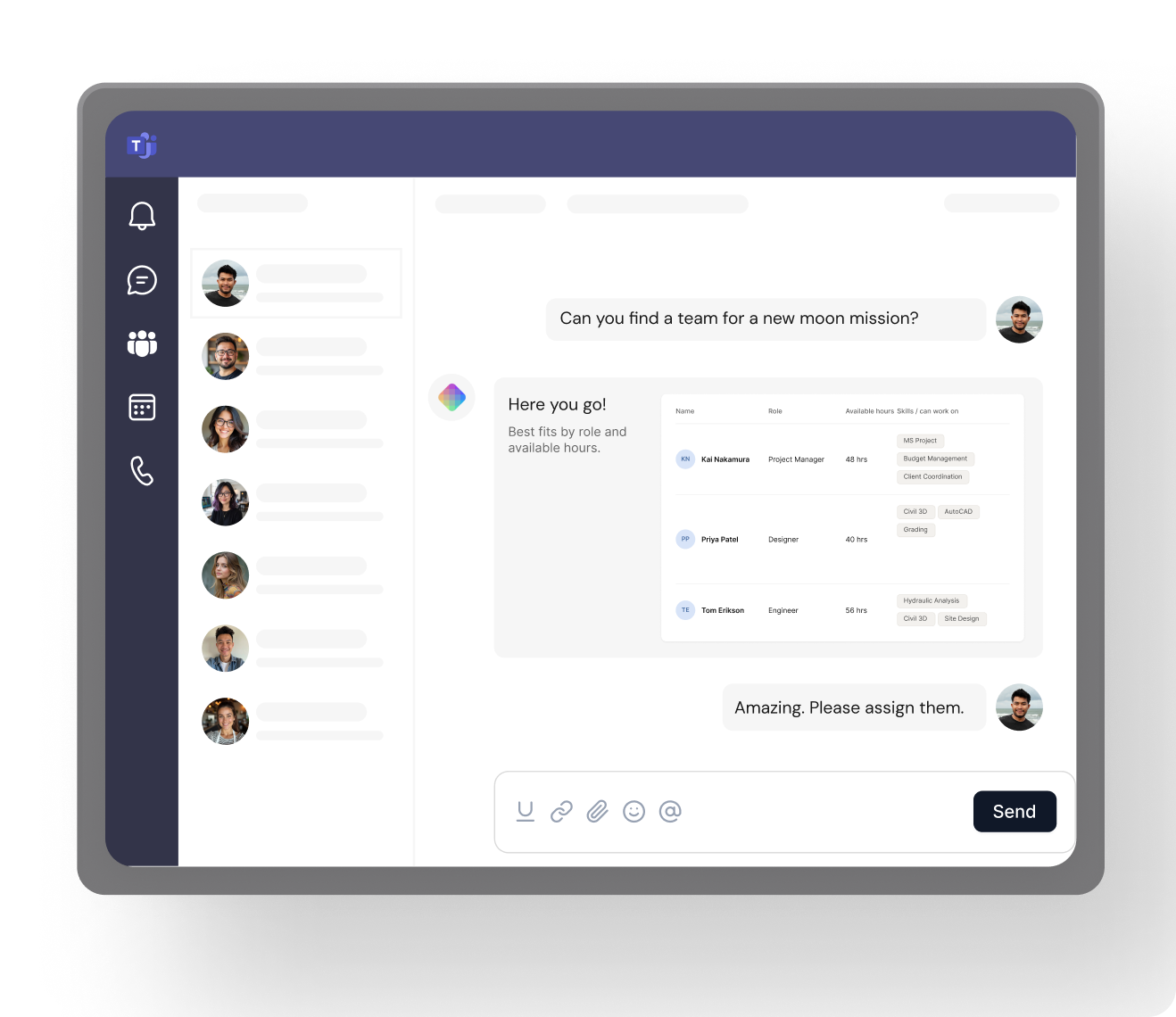
Chello asks each manager for updates in Microsoft Teams, and one reply gets the plan to match reality. Firms on Mosaic plan 80% or more of their billable staff capacity, and over 90% with Chello in Microsoft Teams.
RM ONE’s AI surfaces risks and recommends options for the firm’s team to approve, according to its site. Chello works where managers already talk, and changes nothing without approval.
How long does it take to move to Mosaic?
To switch, Mosaic imports your data, typically within 48 hours, and the ERP integration is in place within days. Firms are trained and live in 30 to 60 days. Mosaic’s team sets the rollout plan, trains your people and guides the change, until 80% of your team’s billable capacity is planned.
Mosaic vs. ERPs · Resource planning that works with your ERP · Planifi alternatives for architecture and engineering firms
- Connect Mosaic to the ERP, which brings in projects, people, roles, rates, budgets and actual hours.
- Each manager plans the next few weeks: who works on what, and how much of each person’s time is billable.
- Check projected utilization by person and role, and fill the gaps before the weeks arrive.
- Keep the CRM as the record of pursuits, with likely work added to the plan before it’s won.
What results have firms seen with Mosaic?
Firms on Mosaic plan 80% or more of their billable staff capacity, against under 50% at typical firms on ERPs and spreadsheets. CetraRuddy went from 77% to 90% utilization and had its best year in 38 years, and CPL spends 75% less time managing resources.
Source: Mosaic planning data · CetraRuddy and CPL, Mosaic customers
80%+
of billable staff capacity planned at firms on Mosaic
90%
utilization at CetraRuddy, up from 77%
75%
less time managing resources at CPL

“As a PM group, we meet every Thursday and go through each person individually on Mosaic to help when people get overloaded and make sure their workload is balanced.”
For firms that live and die by planning
Mosaic is for project-driven firms that value project and resource planning, management and forecasting. When people are your most valuable resource, and they determine what you can get done and when, you want the best tool for the job: one that gives you control over delivery when deadlines matter. Without one, firms leave $10k to $20k per employee on the table every year: the profit in five more points of utilization, according to the Resource Management Institute. And there’s much more to lose.
How is Mosaic priced?
Mosaic is priced in annual parts: a per-seat subscription, a platform fee and an optional ERP integration, which Mosaic owns and maintains. Onboarding and implementation is a one-time cost, scoped to the firm’s rollout, and the team sets out all of it in one quote. Firms who plan on Mosaic typically see 10 to 20x ROI in a full year, and full-priced plans are backed by a 5x money-back guarantee. The return comes from staffing projects before the work starts rather than after.
The per-seat rate steps down as headcount increases, and the platform fee funds onboarding, training, a Customer Success Manager, support and hosting.
Speak to the team to learn more.
What else do firms ask about RM ONE and Mosaic?
Does RM ONE replace the ERP?
No. By its own description, RM ONE connects to a firm’s ERP, HR and scheduling systems and doesn’t replace them, and firms can use its CRM or keep their own. Mosaic doesn’t replace the ERP either: it plugs into it and keeps the plan.
Does Mosaic have a CRM?
No, by design. Mosaic plugs into the CRM the firm already has, whether it’s part of the ERP or a separate product such as Salesforce, and pipeline work can sit in Mosaic’s plan before it’s won, weighted by how likely each stage is to close.
Who is RM ONE the better fit for?
Firms that want a CRM, resume profiles and staffing in one product, and contractors, construction managers and owners, which RM ONE names among the firms it serves.
How long does it take to go live on Mosaic?
To switch, Mosaic imports your data, typically within 48 hours, and the ERP integration is in place within days. Firms are trained and live in 30 to 60 days.
Is Mosaic SOC 2 Type II?
Yes. Mosaic is SOC 2 Type II, uses encrypted, read-only ERP credentials and single sign-on, and its AI is never trained on your data.
Book a 20-minute demo
See your own projects and people planned in Mosaic, starting from the data in your CRM and ERP.