Case Study
Clark Patterson Lee (CPL)
A 51-year-old architecture, engineering and planning firm with offices across eight states had outgrown its 40-person resource planning meeting. Adoption took hold once the firm hired for it and committed to onsite training. A monthly scorecard turned planning into something nine practices competed on.


Location
Fairport, NY
Customer Since
2022
Year Founded
1975
Nine practices now plan in one place, with project managers and discipline leads keeping the window current themselves. Utilization questions that used to be anecdotal now trace back to a specific work plan.
Firm-wide capacity planned in Mosaic climbed from 51% in January 2026 to Mosaic's 75% adoption threshold by July 2026 — the indicator CPL's operations team uses to track adoption depth across nine practices.
A monthly scorecard rates each of the nine practices from zero to 100 on the share of projects carrying active work plans. The practices compete on the ranking.
Table of Contents
Somebody's at 60 percent, but I didn't know why. Now there's a work plan, and I can see well, you had a work plan. Why is your utilization not up?
Background
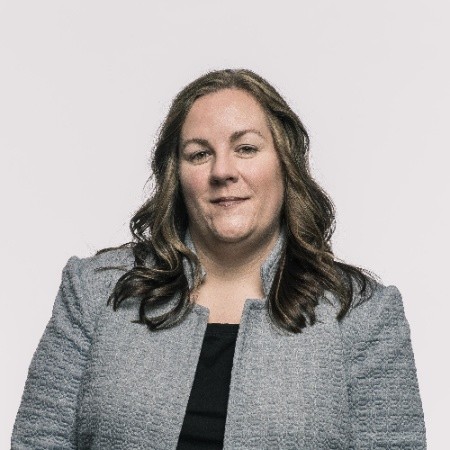
Clark Patterson Lee (CPL) is a multi-disciplinary architecture, engineering and planning firm founded in 1975, headquartered in Fairport, New York, with offices across eight states. The firm runs nine practices spanning healthcare, education, transportation and municipal infrastructure. Christopher Colby, the firm's president and COO, oversees those nine practices. He was running the K-12 practice when CPL first adopted Mosaic.
The Challenge
For years, CPL's resource planning lived in spreadsheets and recurring meetings. Project managers updated a static file. Once a week, principals and discipline leads dialed into a firm-wide planning call to coordinate who was on what project across offices. As CPL grew, those calls averaged 40 people and ran an hour to two. As Colby puts it, "it's just a waste of time, really." The work the call was supposed to do, figuring out who was actually available, who needed work, who could be moved, was guesswork inside the meeting itself.
Once the firm passed a certain size, the planning system stopped describing reality. "I got so-and-so available, you go back and you find out they're not really available," Colby says. People got frustrated. The planning function quietly atrophied.
Two problems compounded. Utilization decisions were made on stale data, which meant some practices ran over-resourced while others were short. And without a real planning record, there was no way to ask why an employee sat at 60% utilization. The story was always anecdotal.
The Solution
The pitch for Mosaic was specific: one planning window, visible across every office, kept current by the project managers and discipline leads themselves. Colby took the initiative over and built the rollout around it — structured Mosaic Ninja certification, multiple onsite training sessions, and a dedicated operations partner working inside each practice to drive adoption.
What replaced the 40-person spreadsheet meeting was a monthly scorecard. Each of the nine practices gets a zero-to-100 score on the share of projects with active, legitimate work plans in Mosaic. The practices started competing on the ranking. Firm-wide capacity planned in Mosaic climbed from 51% in January 2026 to Mosaic's 75% adoption threshold by July 2026.
The Results
What changed is that the questions now have answers. When a practice runs short or a person sits underutilized, there is a planning record to trace it back to — instead of an anecdote. As Colby puts it, the firm has "visibility into what is working and what is not working inside of each of our practices — who is productive, who is not. That alone over time pays for itself."
Conclusion
CPL runs Mosaic as its system of record for resource management across nine practices and eight states. The operations team uses the platform to pair utilization patterns with the firm's talent acquisition pipeline. Colby uses it to drill from a regional staffing gap into the specific work plans driving it. The firm continues to expand usage into project budgeting and member-level cost tracking.
Share this customer story