

Float alternatives for architecture and engineering firms
Architecture and engineering firms look for a Float alternative when the plan has to come from their ERP: the projects, phases, fees and time already there.
The right alternative depends on what your ERP already does. We make Mosaic, so Float is described here from its own website, as of November 2026, and each option says which firms it fits.
Why do architecture and engineering firms look for a Float alternative?
Architecture and engineering firms usually look for a Float alternative when the plan has to come from the ERP: projects, phases, fees and time read from Deltek Vantagepoint, Ajera, BQE CORE or Unanet, with hiring forecast from the same plan. Float describes itself as resource management software for modern delivery teams, with scheduling, capacity planning and time tracking.

Phases and fees
Each project planned by phase, with its budget in hours and fees beside the people on it.

Your ERP
Mosaic plugs into your ERP. It reads projects, phases, people, roles, budgets and fees, and time, four times a day.

Forecasts
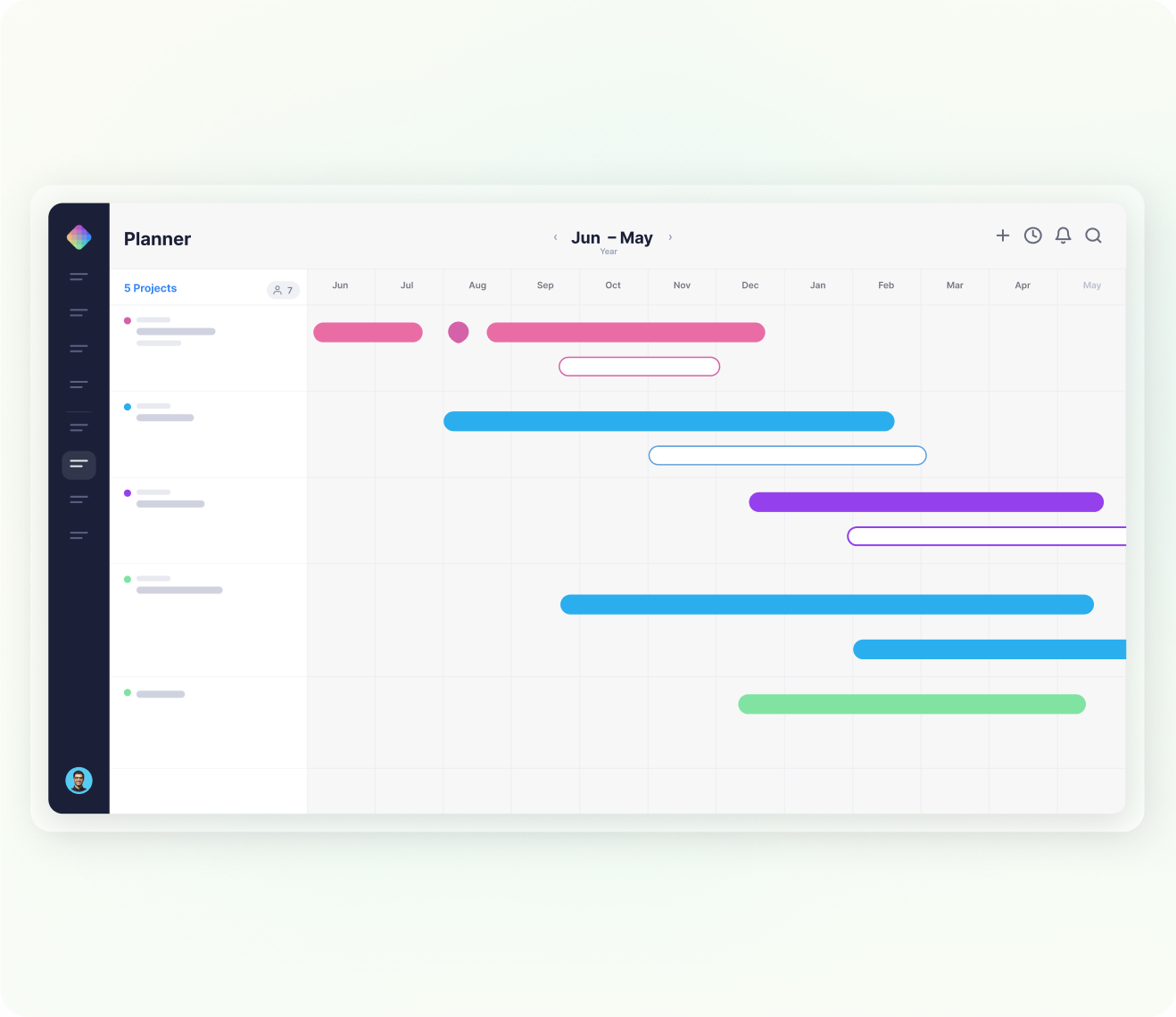
Forecasts built from the live plan, so you see what’s coming while there’s still time to change it.

Every office in one plan
Offices, studios and disciplines share one plan, so people can be lent across them.

Permissions and security
Access defaults to locked, and planning gets gated. Mosaic is SOC 2 Type II.
What are the alternatives to Float for an architecture or engineering firm?
Firms usually weigh three kinds of alternative: a resource planning tool that plugs into the ERP, such as Mosaic; an all-in-one practice management tool that also does time, invoicing and accounting; or another scheduling tool. Which one fits depends on whether the firm already runs an ERP for time, billing and accounting.
| Option | What it does | Fits firms that | Keep in mind |
|---|---|---|---|
| Mosaic | Plans each project by phase and fee, staffs it and forecasts revenue and hiring, from the projects, people and time in your ERP | Run an ERP such as Deltek Vantagepoint, Ajera, BQE CORE or Unanet, or are moving to one | No invoicing or accounting: your ERP keeps those |
| An all-in-one practice management tool | Time, invoicing, accounting and planning in one product | Want one product in place of an ERP | A firm that also runs an ERP pays for time and invoicing in two products |
| Another scheduling tool | Who’s booked on what, week by week | Mostly need a shared calendar of people | The questions about phases, fees and the ERP come back as the firm grows |
| Staying on Float | Scheduling, capacity planning, project planning, time tracking and reports, by its own description | Run scheduling, budgets and time in Float rather than in an ERP | If your firm runs an ERP, ask how projects, phases and fees get in |
Why do firms on an ERP choose Mosaic over a scheduling tool or an all-in-one tool?
Firms on an ERP choose Mosaic because it adds only the planning, read from the ERP: phases, fees, staffing and forecasts, while the ERP keeps billing and accounting. A scheduling tool without an ERP connection keeps its own list of projects, and an all-in-one tool repeats the time and invoicing the ERP already does.
Its own list of projects beside the ERP, or a second set of the time and invoicing the ERP already does.
Planning by phase and fee, staffing and forecasts, read from your ERP, which keeps the books.
What Mosaic adds to a schedule:
- Phases, budgets and fees beside the people on them
- Projects, people and time read from your ERP four times a day
- Forecasts built from the live plan
- Every office, studio and discipline in one plan
- Access defaults to locked, and planning gets gated

Is Mosaic as simple to use as Float?
Day to day, yes: project managers move work between people on the timeline, as they would in a scheduling tool, and the phases, fees and forecasts follow behind that view. What takes longer is setup, since Mosaic connects to the ERP and reads each project’s phases and fees, and that’s done once.
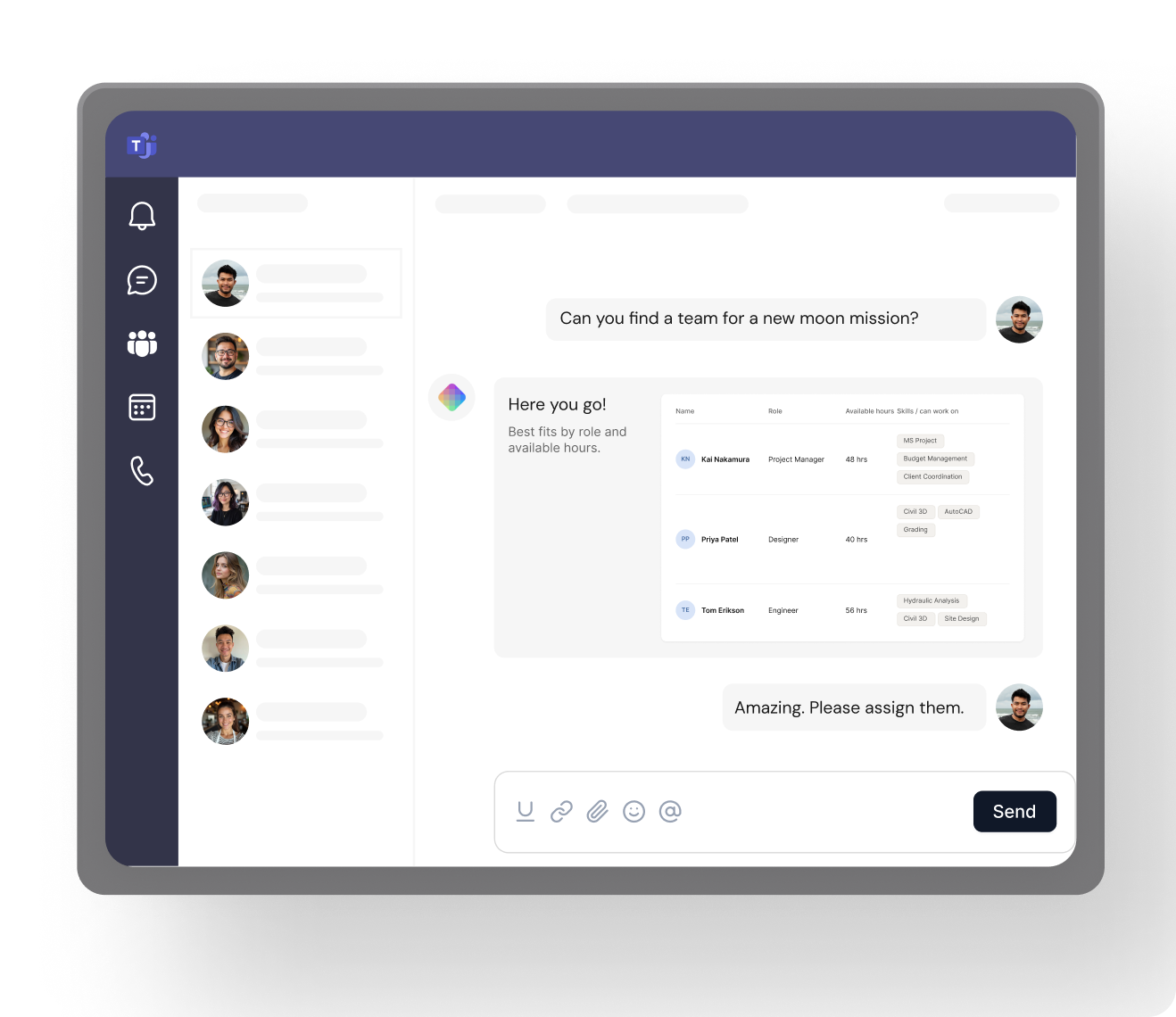
Chello, Mosaic’s AI planning assistant, asks each manager for updates in Microsoft Teams, and one reply gets the plan to match reality. A new project starts from a template, or from a similar past project cloned in whole or any part, in minutes instead of days.
How do firms move from Float to Mosaic?
Firms run Float and Mosaic side by side for a short time, then switch once the plan in Mosaic matches the work. Mosaic reads projects, phases, people, roles, budgets and fees, and time from the firm’s ERP, so the plan starts from what the firm already has rather than a blank page.
Firms are integrated, trained and live in 30 to 60 days. One Mosaic plan can read from more than one ERP, for firms that run two after a merger.

“As a PM group, we meet every Thursday and go through each person individually on Mosaic to help when people get overloaded and make sure their workload is balanced.”
Does Mosaic support single sign-on, permissions and an activity log?
Yes: every Mosaic customer gets single sign-on, so people sign in through the firm’s own identity provider, and granular permissions that decide who can see and change each part of the plan. Mosaic also keeps an activity log of who changed what in the plan and when, and supports approvals.
Mosaic is SOC 2 Type II, and the report is on Mosaic’s Trust page.
What changes when an architecture or engineering firm plans in Mosaic?
Firms on Mosaic plan 80% or more of their billable staff capacity, against under 50% at typical firms on ERPs and spreadsheets. CetraRuddy went from 77% to 90% utilization and had its best year in 38 years, and CESO, an engineering firm, raised production-staff utilization 2 points.
Source: Mosaic planning data; CetraRuddy and CESO, Mosaic customers
80%+
of billable staff capacity planned at firms on Mosaic
90%
utilization at CetraRuddy, up from 77%
+2
points of production-staff utilization at CESO
Do agencies and consultancies look for a Float alternative for the same reasons?
Agencies, consultancies and IT services companies look for a Float alternative when the plan has to come from the finance system: projects, budgets and time read from NetSuite or another ERP, with revenue and hiring forecast from the same plan. Mosaic plans projects and people for project-based businesses in any industry.
Resource planning for project-based businesses · Resource planning with NetSuite
How is Mosaic priced for an architecture or engineering firm?
Mosaic is priced in three annual parts: a per-seat subscription, a platform fee and the ERP integration, which Mosaic owns and maintains. Onboarding and implementation is a one-time cost, scoped to the firm’s rollout, and the team sets out all of it in one quote. Firms who plan on Mosaic typically see 10 to 20x ROI in a full year. The return comes from staffing projects before the work starts rather than after.
The per-seat rate steps down as headcount increases, and the platform fee funds onboarding, training, a Customer Success Manager, support and hosting.
Full-priced annual contracts are backed by a 5x money-back guarantee. Speak to the team to learn more.
What else do firms ask about moving off Float?
Is Mosaic a Float alternative for architecture and engineering firms?
Yes, for firms that run an ERP such as Deltek Vantagepoint, Ajera, BQE CORE or Unanet, or are moving to one. Mosaic plans each project by phase and fee from the ERP and forecasts revenue and hiring from that plan. A firm with no ERP that mainly needs a shared schedule is better served by a scheduling tool.
Does Mosaic do invoicing or accounting?
No. Mosaic plugs into your ERP, which keeps billing and accounting, and Mosaic plans the work: who works on which project, phase by phase.
Can one plan read from more than one ERP?
Yes. One Mosaic plan can read from several ERPs at once, for firms that run two after an acquisition or a merger.
How long does the switch take?
Firms are integrated, trained and live in 30 to 60 days. A short side-by-side run lets the team check the plan before switching.
Is Mosaic SOC 2 Type II?
Yes. Mosaic is SOC 2 Type II, and access defaults to locked, so each person sees only what their permissions allow.
Book a 20-minute demo
See your schedule, phases, fees and forecasts in one plan, read from your ERP.