

Monograph alternatives for architecture firms
Architecture firms that outgrow Monograph often move their books to an ERP and plan in a tool that plugs into it.
The right alternative depends on where your firm wants its books. We make Mosaic, so Monograph is described here from its own website, as of November 2026, and each option says which firms it fits.
When has an architecture firm outgrown Monograph?
An architecture firm usually starts looking beyond Monograph when it moves its books to an ERP such as Deltek Vantagepoint or Ajera and wants planning to read from that ERP rather than from a second set of projects. Monograph describes itself as firm management software for architects and engineers, with projects, time, invoicing and capacity planning in one place.

An ERP for the books
Time, billing and accounting in an ERP built for A&E firms.

Planning from the ERP
Projects, phases, people and fees read from the ERP, not kept twice.

Every studio in one plan
People shared across studios, offices and disciplines.

Forecasts from the live plan
Who’s free, and when to hire, seen months ahead.
What are the alternatives to Monograph for an architecture firm that has outgrown it?
Architecture firms that outgrow Monograph often pair an ERP built for A&E firms, such as Deltek Vantagepoint, Deltek Ajera, BQE CORE or Unanet, with a planning tool that plugs into it, such as Mosaic, or move to another all-in-one tool. Which fits depends on where the firm wants its books.
| Option | What it does | Fits firms that | Keep in mind |
|---|---|---|---|
| An A&E ERP with Mosaic | The ERP keeps time, billing and accounting; Mosaic plans each project by phase and fee, staffs it and forecasts from the live plan | Have several studios or offices, or plan dozens of projects at once | Two products, connected: Mosaic reads projects, phases, people, roles, budgets and fees, and time from the ERP |
| An A&E ERP on its own | Time, billing, accounting and project records in one system of record | Mainly need the books, and can plan people another way | Check how project managers will plan who works on what next |
| Another all-in-one tool | Time, invoicing, accounting and planning in one product | Want one product for everything, with no ERP | Moves the same bundle to a new tool, so the firm sets everything up again |
| Staying on Monograph | Projects, time tracking, invoicing, staffing and capacity planning in one product, by its own description | Want one product for projects, time and invoicing | A firm that adds an ERP ends up with invoicing in two products |
Why do growing architecture firms pair an ERP with Mosaic instead of an all-in-one tool?
Growing architecture firms pair an ERP with Mosaic because each does one job: the ERP keeps the books, and Mosaic plans phases, fees, people and forecasts from what the ERP holds. An all-in-one tool beside an ERP means paying for invoicing in two products and keeping two records of every project.
Time, invoicing, accounting and planning in one product. Beside an ERP, that’s two records of every project.
The ERP keeps the books. Mosaic plans the work from the projects, people and time the ERP already holds.
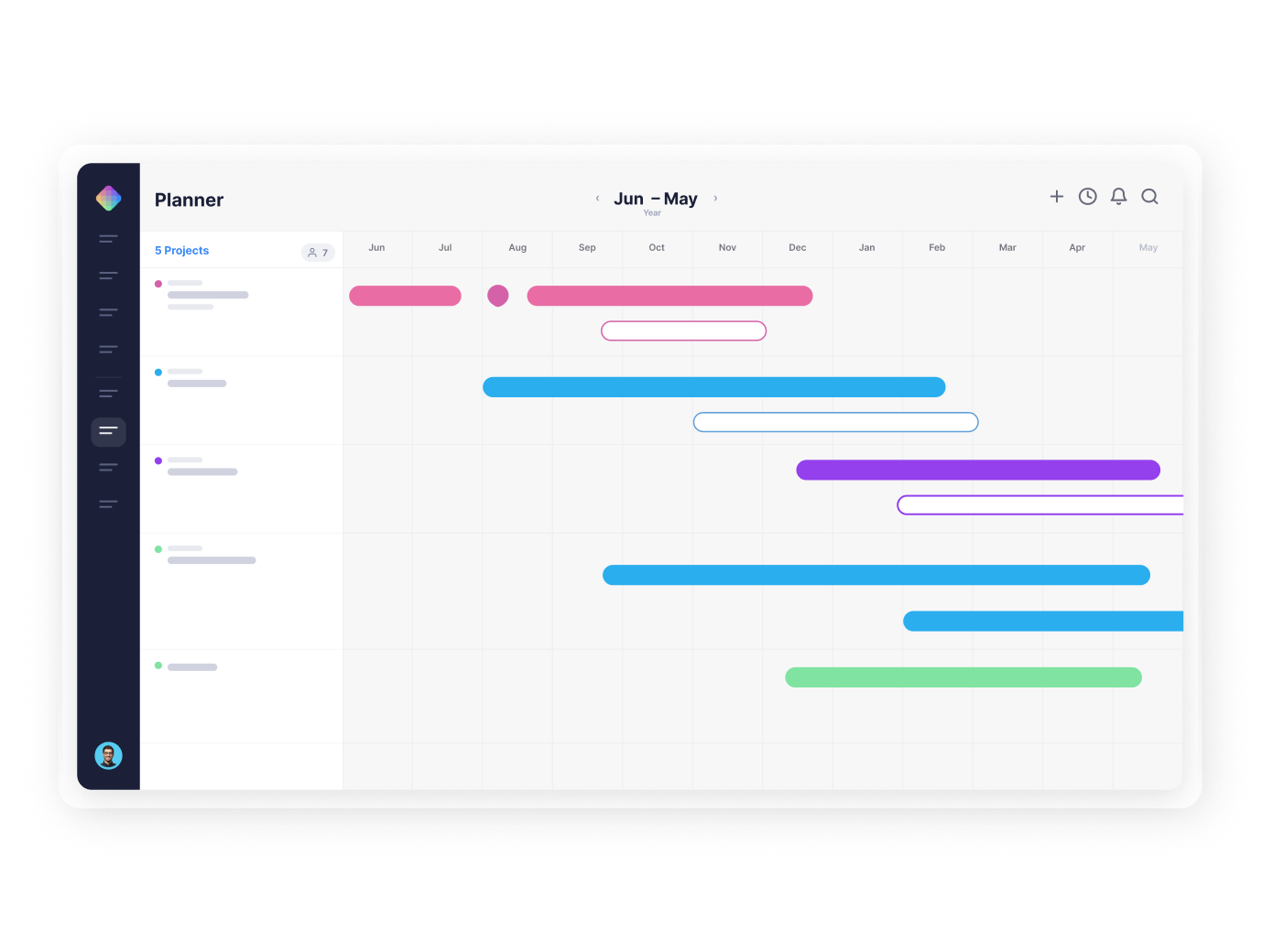
What architecture firms plan in Mosaic:
- Every project by phase, from schematic design to construction administration
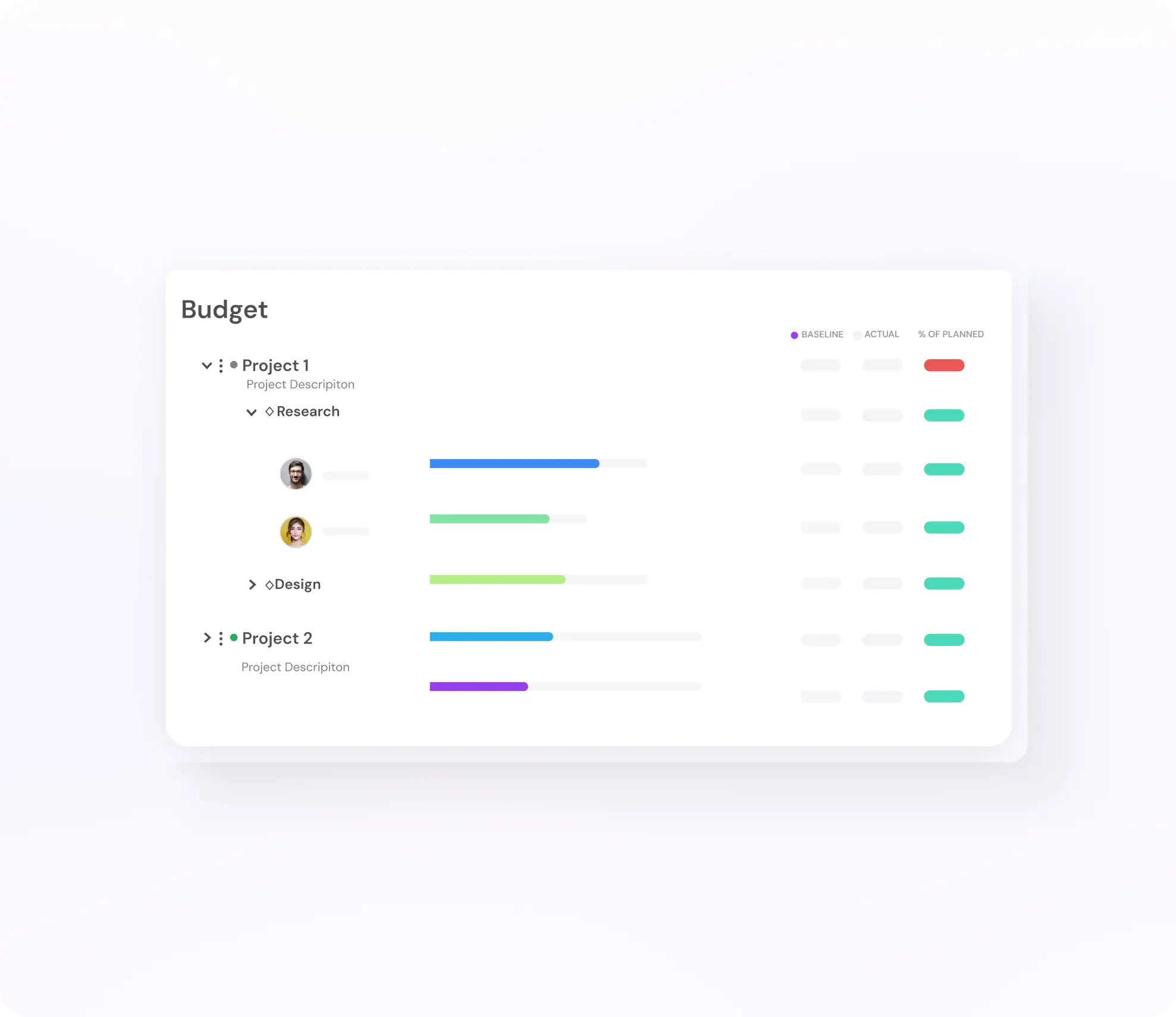
- Hours and fees against each phase’s budget
- People shared across studios and offices
- Revenue and hiring forecasts from the live plan
- New projects from templates or similar past projects, in minutes
Which ERPs does Mosaic plug into for architecture firms?
Mosaic plugs into the ERPs architecture firms run, including Deltek Vantagepoint, Deltek Ajera, BQE CORE and Unanet, and reads projects, phases, people, roles, budgets and fees, and time from them four times a day. The ERP stays the system of record, and planning happens in Mosaic.
ERPs record what happened. Mosaic helps you run the firm.
Mosaic plugs into your ERP. Firms that run two ERPs after a merger plan from both in one Mosaic plan.
Resource planning with Deltek Vantagepoint · Resource planning with Ajera · Resource planning with BQE CORE

How does an architecture firm move from Monograph to an ERP and Mosaic?
Firms usually move their books to the ERP first, then connect Mosaic, which reads the projects, phases, people and fees from it, so planning starts from what the firm already has. Project managers then plan the next few weeks in Mosaic, and the firm-wide view follows as each studio comes in.
Firms are integrated, trained and live in 30 to 60 days. Chello, Mosaic’s AI planning assistant, asks each project manager for updates in Microsoft Teams, so the plan stays current from the first week.

“Here we are at the end of July. And I’m trying to know what our staff is doing in October. Are we running off a cliff and nobody’s doing anything, or are we going to have so much work that we need to hire new people? Mosaic answers those questions.”
What results have architecture firms seen from planning in Mosaic?
CetraRuddy, an architecture firm on Mosaic, went from 77% to 90% utilization and had its best year in 38 years. Firms on Mosaic plan 80% or more of their billable staff capacity, against under 50% at typical firms on ERPs and spreadsheets.
Source: CetraRuddy, a Mosaic customer; Mosaic planning data
90%
utilization at CetraRuddy, up from 77%
80%+
of billable staff capacity planned at firms on Mosaic
Under 50%
planned at typical firms on ERPs and spreadsheets
How is Mosaic priced for an architecture firm?
Mosaic is priced in three annual parts: a per-seat subscription, a platform fee and the ERP integration, which Mosaic owns and maintains. Onboarding and implementation is a one-time cost, scoped to the firm’s rollout, and the team sets out all of it in one quote. Firms who plan on Mosaic typically see 10 to 20x ROI in a full year. The return comes from staffing projects before the work starts rather than after.
The per-seat rate steps down as headcount increases, and the platform fee funds onboarding, training, a Customer Success Manager, support and hosting.
Full-priced annual contracts are backed by a 5x money-back guarantee. Speak to the team to learn more.
What else do architecture firms ask when they outgrow Monograph?
Is Mosaic a Monograph alternative?
Mosaic is the planning half of one: it plans phases, fees, people and forecasts, and an ERP such as Deltek Vantagepoint or Ajera keeps time, billing and accounting. A firm that wants one product for projects, time and invoicing, with no ERP, is better served by an all-in-one tool.
Does Mosaic do invoicing?
No. Mosaic plugs into your ERP, which keeps billing and accounting, so invoicing runs in one place.
Which ERPs does Mosaic work with?
Mosaic plugs into Deltek Vantagepoint, Deltek Ajera, BQE CORE, Unanet and other ERPs, and reads projects, phases, people, roles, budgets and fees, and time from them.
Can we plan several studios or offices in one plan?
Yes. Studios, offices and disciplines share one plan, so a studio short on people can see who is free elsewhere and borrow them.
Can we start projects from templates?
Yes. A firm builds a project template once, or clones a similar past project in whole or any part, and kicks off a new project in minutes instead of days.
How long until we’re planning in Mosaic?
Firms are integrated, trained and live in 30 to 60 days. That window includes connecting the ERP.
Book a 20-minute demo
See every studio’s projects, phases and people in one plan, read from your ERP.