

Project and resource planning for project-based businesses
Any business or department that delivers its work as projects, and shares its people across them, can plan in Mosaic. That includes teams inside large organizations, such as R&D and product development. Mosaic, an AI project and resource planning tool, plans the people across every project, suggests who fits each role and forecasts demand and hiring from the plan.
Mosaic fits any team that runs on projects and shares its people across them, whether the work is billed to clients or not. We make Mosaic, so this page sets out where it fits.
Consultancies and agencies have their own pages: agencies · consulting firms
What do project-based teams need from resource planning software?
One plan of every project and every person’s time, staffing by skill and availability, a view of who is overbooked across projects, and forecasts from the plan.
| What matters | Spreadsheets | Mosaic |
|---|---|---|
| Staffing | Calls and messages across teams | AI suggests people by skill and availability, across every project |
| Shared people | Conflicts found when two projects need the same person | Each person’s load across every project, weeks ahead |
| Changing dates | Every affected sheet updated by hand | Mosaic’s patented automatic rescheduling moves the work that depends on a date |
| Capacity | Reported after the month closes | Projected by person, role and team, weeks ahead |
| Hiring | Decided when people are already overloaded | Demand by role against capacity shows when to hire |
| Keeping it current | Each lead updates a sheet by hand | Chello asks project leads for updates in Microsoft Teams |
How do R&D and product development teams plan people across projects?
They plan each project by phase or milestone, with the roles and hours it needs, and staff it from one view of who is free across every project. When a date moves, Mosaic’s patented automatic rescheduling moves the work that depends on it, and the plan shows which people are now overbooked.
Chello, Mosaic’s AI planning assistant, asks project leads for updates in Microsoft Teams, so the plan stays current.
Clashes found when two projects need the same engineer.
Who is overbooked across projects, weeks ahead, by skill and role.
What R&D and product leaders see in Mosaic:
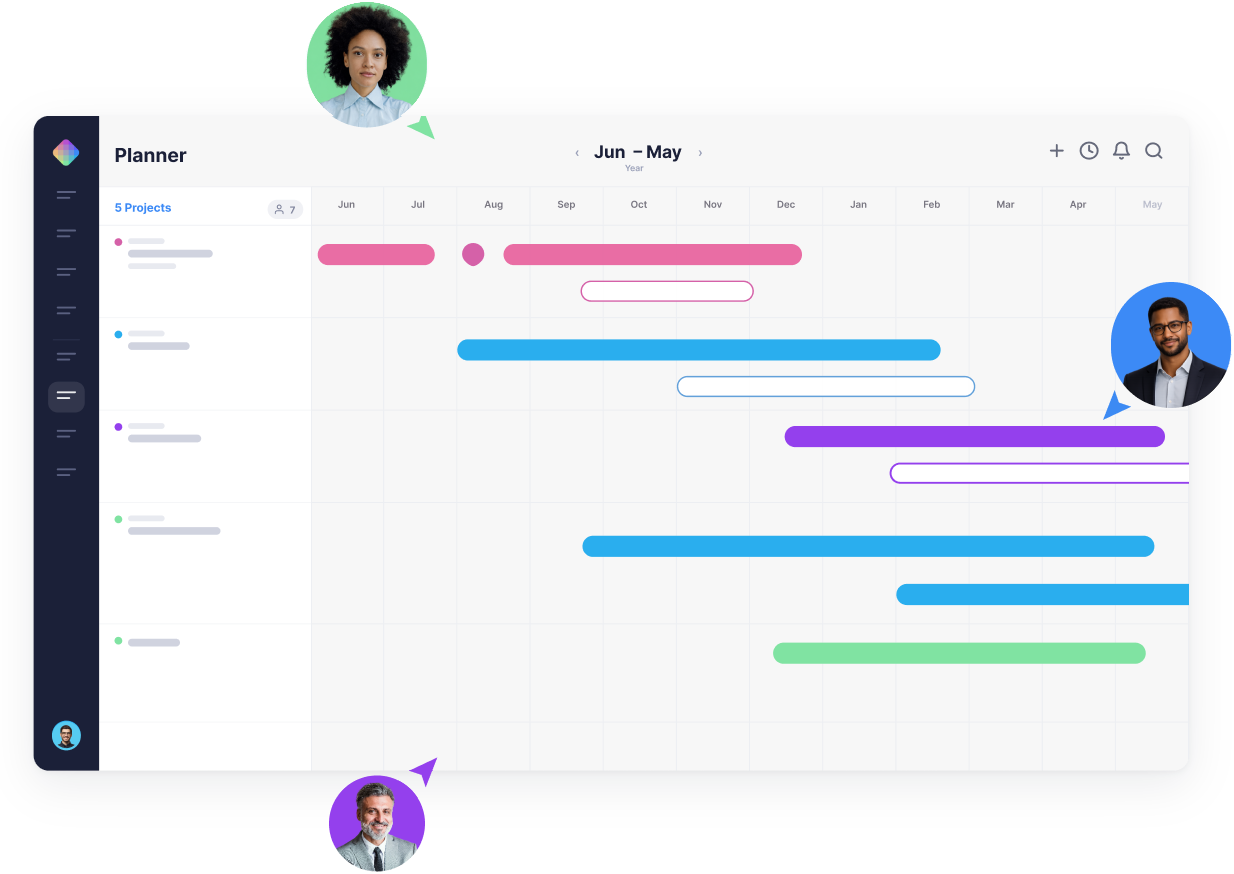
- Every project’s phases or milestones, with the roles and hours each needs
- Each person’s load across every project, weeks ahead
- Projects at risk of missing a date
- Skills and availability across teams and locations
- Demand by role against capacity, for the next few quarters
Why do project-based teams plan in Mosaic?
Project-based teams plan in Mosaic because staffing, schedules and the forecast come from one live plan that reads the ERP as it is.

An ERP integration we build and run
Enterprise grade, with 99.9% reliability: Mosaic reads projects, people, roles, rates, budgets and actual hours from your ERP, and maintains the connection itself.

Staffing by skill
AI suggests people for each role by skill and availability, across every project.

Shared people, one plan
Every project and team in one plan, so each person’s week adds up across all of them.

Automatic rescheduling
When a date moves, Mosaic’s patented automatic rescheduling moves the work that depends on it.
A forecast leaders can trust
Revenue, utilization and hiring from the live plan. Within four months, a firm’s next-quarter forecast can be accurate to within about 3% to 4%.

A plan that stays current
Chello asks each project lead for updates in Microsoft Teams and changes nothing without approval.
Which departments inside large organizations fit Mosaic?
Any department that runs its work as projects and shares its people across them: R&D and product development, engineering, in-house creative and marketing teams, internal IT and project offices, and professional services teams inside product companies.
Mosaic plans the department’s projects and people in one place, beside the ERP and the delivery tools the organization already runs, so a department lead sees who is free next month before committing to new work.
Resource and capacity planning for teams on Jira · Planning from Microsoft 365, Claude and ChatGPT
How do firms plan hourly, fixed-fee and retainer work in one place?
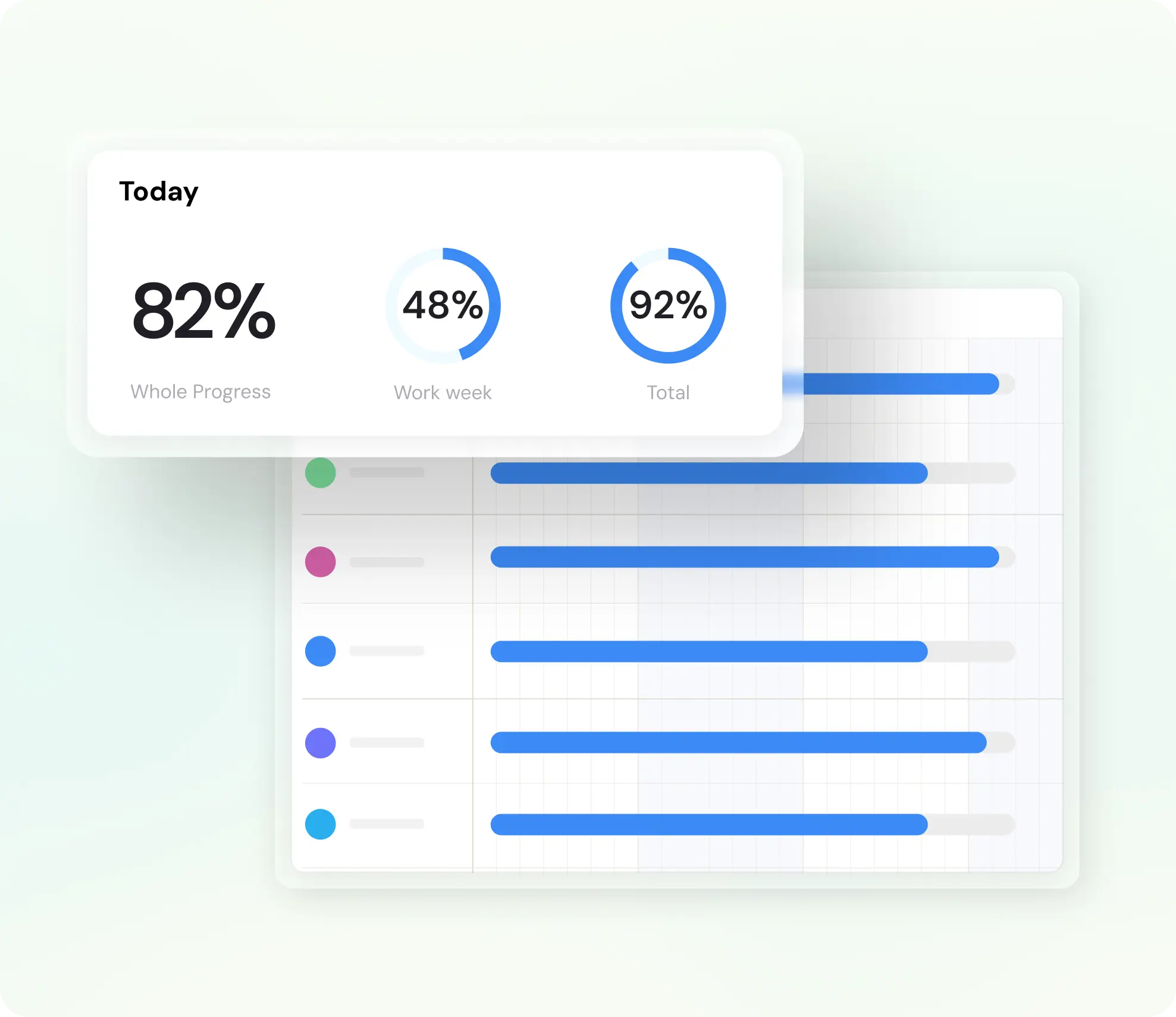
They put every engagement in one plan, each with its own budget in hours or fees, and plan all of each person’s time, billable and non-billable. A manager then sees which projects are using up their budget, and whose week is full of internal work, before the month closes.
A scheduling tool shows who’s booked. A growing team also needs the plan tied to budgets, the ERP, forecasts and permissions by role, usually past 30 to 40 people or at a second location.
Project margin and budgets for services firms · Resource Guru alternatives for growing firms
What results have firms seen with Mosaic?
Firms on Mosaic plan 80% or more of their billable staff capacity, against under 50% at typical firms on ERPs and spreadsheets, and a quarter of them report their most profitable year ever.
Source: Mosaic planning data
80%+
of billable staff capacity planned at firms on Mosaic
Under 50%
planned at typical firms on ERPs and spreadsheets
1 in 4
firms on Mosaic report their most profitable year ever
Can a team replace its planning spreadsheets this quarter?
Yes. Teams are integrated in days, trained and live in 30 to 60 days.
Mosaic imports your data, typically within 48 hours, and the ERP integration is in place within days.
Capacity planning and utilization · Revenue and headcount forecasting
- Connect Mosaic to the ERP, or import the spreadsheets, which brings in projects, people, roles and hours.
- Each project lead plans the next few weeks: who works on what, and for how many hours.
- Check projected load by person and role, and fill the gaps before the weeks arrive.
- Retire the spreadsheets once project leads update the plan instead.

“Knowing in advance when you’re going to need to hire in order to meet future backlog is to some extent the holy grail of the professional services industry.”
For project-driven firms
Mosaic is for firms that live and die by planning effectively, and that value project and resource planning, management and forecasting. When people are your most valuable resource, and they determine what you can get done and when, you want the best tool for the job: one that gives you control over delivery when deadlines matter. Without one, firms leave $10k to $20k per employee on the table every year: the profit in five more points of utilization, according to the Resource Management Institute. And there’s much more to lose.
How is Mosaic priced?
Mosaic is priced per seat and billed annually, at standard rates that are the same for every firm. A seat’s price doesn’t depend on the person’s role, and the per-seat rate comes down as the seat count grows, at the same steps for every firm. One annual subscription covers the seats, the platform (onboarding, training, a Customer Success Manager, support and hosting) and any ERP integration, which Mosaic owns and maintains. Setup and implementation are a one-time cost, scoped to the firm’s rollout and listed on the quote before the firm signs. Firms who plan on Mosaic typically see 10 to 20x ROI in a full year, and 12-month contracts that run Chello, Mosaic’s AI planning assistant, in Microsoft Teams are backed by a 5x money-back guarantee. Conditions apply. The return comes from staffing projects before the work starts rather than after.
Speak to the team to learn more.
What else do project-based teams ask about Mosaic?
Is Mosaic a good fit for departments inside large organizations?
Yes, for departments that run their work as projects and share people across them, such as R&D and product development. Mosaic plans every person across every project and forecasts demand and hiring from the plan.
Does Mosaic only work for professional services firms?
No. Mosaic works for any project-based business or department, whatever the industry. Consultancies and agencies have their own pages.
Is resource planning software harder to use than a spreadsheet?
Resource planning software doesn’t have to be harder to use: project leads move work between people on Mosaic’s timeline, with budgets and forecasts behind that view, and everyone sees the same plan.
Does Mosaic replace our ERP?
No. The ERP stays the system of record for time, billing and accounting, and Mosaic reads from it.
Is Mosaic SOC 2 Type II?
Yes. Mosaic is SOC 2 Type II, supports single sign-on and two-factor authentication, encrypts your data in transit and at rest, and the AI models it uses aren’t trained on your firm’s data.
Book a 20-minute demo
See every person’s next few months in one plan, starting from your own projects.